4 Creative Ways to Build Empathy in Your Preschooler

Using Picture Books to Discuss Feelings
Role-Playing Social Scenarios with Toys
Naming Emotions in Real-Time Moments
Practicing Kindness Through Small Acts
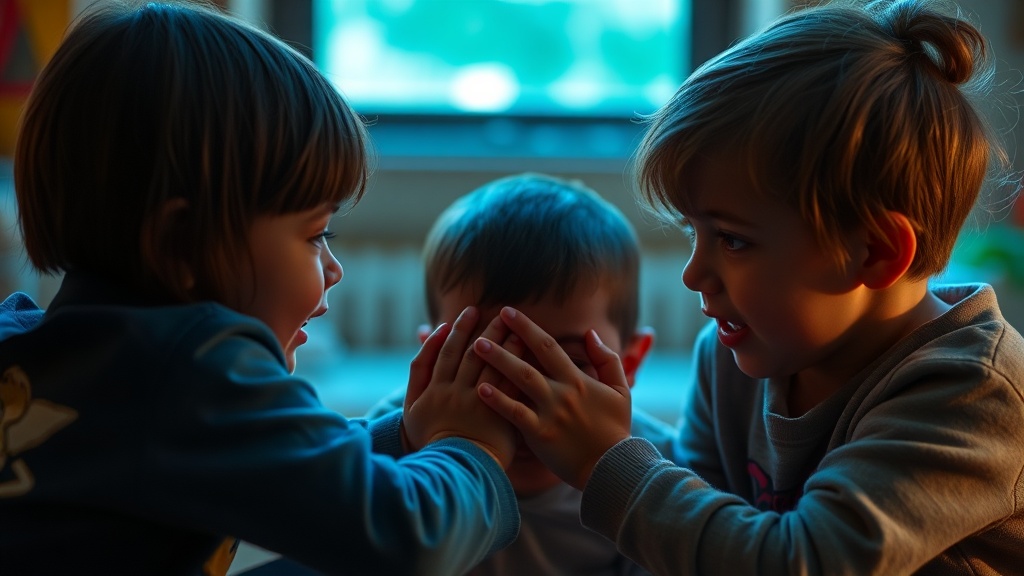
Your three-year-old watches a classmate trip on the playground and, instead of helping, they simply laugh or turn away. It’s a jarring moment for any parent. You might wonder if they're being "selfish," but it's actually a normal part of development. This post explores four practical, play-based strategies to help your preschooler understand and connect with the feelings of others.
Empathy isn't something kids are born with; it's a skill they build through social interaction and guided observation. While toddlers are naturally egocentric, the preschool years are when they start to grasp that other people have internal lives that differ from their own. We'll look at how to use storytelling, role-play, and even everyday mistakes to build that emotional muscle.
How Do I Teach Empathy to a Preschooler?
You teach empathy by labeling emotions in real-time and pointing out the physical cues that accompany them. Instead of just saying "be nice," you describe the situation. For example, if a friend is crying, you might say, "Look at Leo's face. His mouth is turned down and his eyes are watery. He looks sad because his tower fell over."
This kind of labeling helps bridge the gap between an abstract feeling and a visible reality. Kids need a vocabulary for what they see. If they don't have the words for "frustrated" or "disappointed," they won't be able to recognize those states in their peers. It’s a bit like learning a second language—they need to hear the words used in context before they can use them themselves.
One way to do this is through literature. Books like The Color Monster by Anna Llenas are fantastic because they use colors to represent different emotions. When you read together, don't just read the words. Stop and ask, "How do you think the character feels right now?"
It's also helpful to connect these book scenarios to their actual lives. If they struggled with a puzzle yesterday, you can reference that moment when they see a character struggling with a task. This connects the "fictional" emotion to a "real" memory, making it stick.
What Are the Best Ways to Use Play for Emotional Learning?
Role-playing and imaginative play are the most effective ways to practice social scenarios without the high stakes of a real-world conflict. When kids pretend to be someone else, they are forced to step outside their own immediate desires.
Here are four creative methods to try at home:
- The "Emotion Charades" Game: Use a deck of cards or even just scraps of paper with simple faces drawn on them. One person acts out an emotion—like surprise, anger, or joy—using only facial expressions and body language. The other person tries to guess. This builds the "detective" skills needed to read social cues in the playground setting.
- Puppet Role-Play: Puppets are magic for this age group. If your child is struggling to share a toy, don't lecture them. Instead, have a puppet "accidentally" grab a toy and see how the other puppet reacts. It’s much easier for a child to observe a "mistake" through a puppet than to endure a direct reprimand.
- The "What Happens Next?" Storytelling: While watching a show or reading a book, pause the action. Ask, "If the little bear loses his honey, how might he feel? What could his mama do to help him?" This builds predictive empathy—the ability to anticipate how actions affect others.
- Sensory Perspective Play: Use a sensory play setup to teach perspective. For instance, if you're playing with water or sand, ask, "How would it feel if the water was too cold? Or too hot?" This helps them understand that physical sensations and comfort levels vary from person to person.
Role-play isn't just about the "correct" way to behave. It’s about the trial and error. If a puppet "accidentally" knocks over a tower, let the child suggest a way to fix it. This moves them from passive observers to active problem-solvers.
Comparison of Empathy-Building Activities
| Activity | Primary Skill Developed | Best For... |
|---|---|---|
| Emotion Charades | Non-verbal cue recognition | High-energy kids who love games |
| Puppet Role-Play | Social problem-solving | Children struggling with specific social conflicts |
| Story Pause | Predictive empathy | Quiet, focused reading time |
| Sensory Perspective | Physical/Sensory awareness | Younger toddlers or sensory-seeking kids |
The goal isn't perfection. If they get the emotion wrong during a game, that's fine. The point is the engagement with the concept of "another person's experience."
Can Toys Help Develop Social Skills?
Yes, certain toys are designed specifically to prompt social interaction and emotional recognition. While a plastic dinosaur is great for many things, it doesn't inherently teach empathy—but how you use it can change that.
Think about the "social" potential of your toy box. For example, a set of wayfair or LEGO bricks can be used to build "houses" for different characters, where you discuss why a character might need a cozy home or a big porch. If you're using a developmental milestone checklist, you'll see that social-emotional play is a key marker of growth.
I often suggest looking at "emotion" dolls or even just using everyday items to represent feelings. A "sad" teddy bear might need a "hug" from a toy truck. This kind of abstract thinking—attributing feelings to inanimate objects—is a precursor to attributing feelings to humans.
It's also worth noting that even digital tools can be used mindfully. If you're using an app or a video, look for ones that focus on social-emotional learning (SEL). There are many high-quality resources available that use animation to show characters navigating complex feelings like jealousy or loneliness.
When you're out in the world, the opportunities are endless. A trip to a park or a local zoo can be a masterclass in empathy. Watching a bird build a nest or a dog chase a ball provides a natural backdrop for discussing the "lives" of others. It's all about the commentary you provide as a parent.
If your child is more hands-on, you might find that sensory play stations are a better fit for these discussions. Discussing how different textures feel—rough, smooth, cold, warm—is a direct line to understanding how different people experience the world physically. This physical awareness is a foundation for emotional awareness.
Don't feel pressured to make every moment a "lesson." If you try to force a child to "feel" something they aren't ready to feel, they'll likely shut down. Empathy is a slow burn. It's a series of small, quiet realizations that happen over months and years. Sometimes, the best way to teach it is simply to model it yourself. When you're frustrated with traffic or a long line at the grocery store, let them see you use a "calm-down" strategy. Show them that you recognize your own feelings and how they impact the people around you.