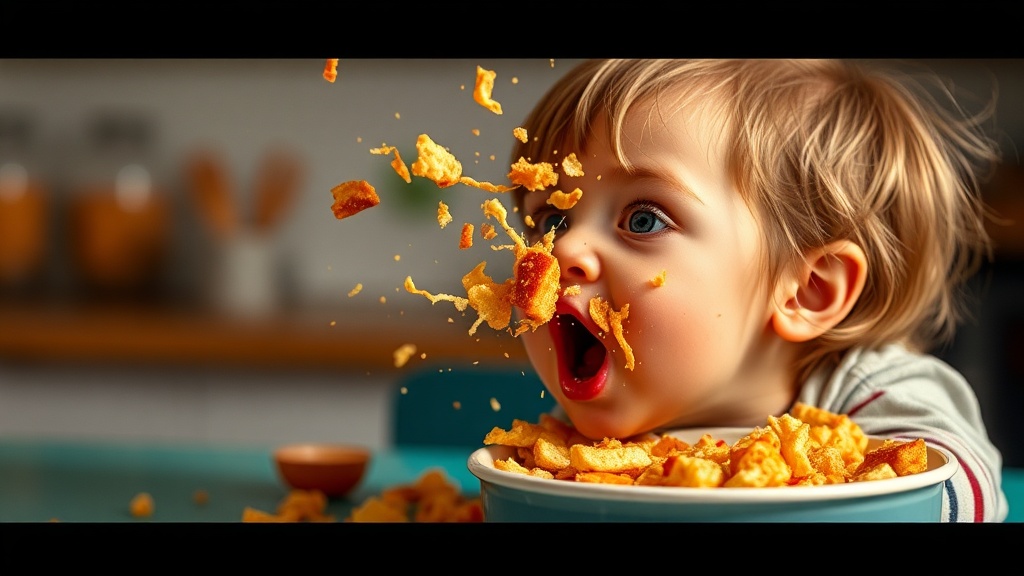
Why Do Toddlers Throw Food—and What's Actually Behind the Mess?

Here's something that might make you feel better about the crumbs under your high chair: the average toddler drops, throws, or smears roughly 30% of their meals before their third birthday. Parents often assume this is defiance or a bid for attention, but developmental researchers see something entirely different. That flying macaroni isn't just chaos—it's your child's first laboratory experiment in physics, communication, and boundary-testing rolled into one messy package.
Understanding why little ones hurl their peas across the room can transform how you respond. When you know what's driving the behavior, you can address the root cause instead of fighting an endless battle of wills. Let's dig into what's really happening in those developing brains—and how to keep your sanity (and your walls) intact.
Why does my toddler throw food on the floor?
Throwing food serves multiple developmental purposes simultaneously. At around 12–18 months, children discover cause and effect with delightful clarity. They drop a cup. It falls. You pick it up. They drop it again. This isn't manipulation—it's scientific inquiry. The Zero to Three Foundation explains that toddlers are literally testing whether gravity works the same way every time.
Beyond physics, food throwing is communication. Your child might be finished eating but hasn't developed the vocabulary to say "I'm full." Or they're seeking your attention—any reaction, positive or negative, confirms that their actions matter in the world. Some toddlers throw food when they're overwhelmed by too many options on their plate, or when the texture feels "wrong" in ways they can't articulate.
There's also a sensory component that's easy to overlook. The splat sound of yogurt hitting tile. The way sauce drips down the cabinet. The visual tracking of a blueberry rolling under the table. These experiences feed your child's sensory processing systems in ways that sitting still simply cannot. For some children—particularly those with sensory-seeking tendencies—this aspect drives the behavior more than anything else.
Age matters significantly here. Twelve-month-olds are often exploring. Eighteen-month-olds might be testing limits. By age two, many children use food throwing as a sophisticated attention-getting strategy. Recognizing where your child falls on this spectrum helps you respond appropriately rather than applying one-size-fits-all solutions.
How do I stop my child from throwing food without creating a power struggle?
The goal isn't elimination—it's redirection. Complete cessation of food exploration would actually be developmentally concerning. Instead, you want to channel the behavior appropriately while setting clear, consistent boundaries.
Start with environmental modifications. Use suction bowls that resist upward force. Serve smaller portions, replenishing when they finish. Place a plastic mat under the high chair (not to prevent all mess—that's impossible—but to contain the damage). Some parents find success with a "no-thank-you bowl"—a small dish where children place unwanted items instead of the floor. This gives them agency without the mess.
Your response timing matters enormously. React immediately when food starts flying, but keep your reaction minimal. A calm "food stays on the tray" beats a lengthy lecture every time. If throwing continues, the meal ends—quietly, without drama. Many parents make the mistake of turning mealtimes into theatrical productions of disapproval, which ironically rewards the behavior with exactly what the toddler wanted: your full attention.
Here's the counterintuitive part: sometimes you should ignore it. When food throwing is clearly attention-seeking (your child watches you expectantly before each throw), the most effective response is no response at all. Clean up silently. Maintain eye contact with your own plate. The behavior typically escalates briefly—what behaviorists call an "extinction burst"—before fading when it fails to produce results.
Praise the positive aggressively. When your child sets food down gently, narrate it: "You're putting your banana on the tray so carefully." This isn't empty flattery—it's helping them recognize and repeat the behavior you want. Young children are still learning what "good" looks like; your specific verbal feedback paints the target clearly.
Is food throwing a sign of a bigger behavioral problem?
Usually, no. Occasional food throwing is so developmentally normative that pediatricians worry more about toddlers who never test these boundaries. However, certain patterns warrant closer attention.
Consider evaluation if food throwing is accompanied by other concerning behaviors: consistent refusal to eat anything, extreme reactions to food textures, developmental regression in multiple areas, or throwing that seems genuinely aggressive rather than exploratory. The CDC's Act Early program offers excellent guidelines for distinguishing typical toddler behavior from potential developmental concerns.
Some children throw food specifically because of underlying feeding difficulties. Oral motor challenges, gastrointestinal discomfort, or sensory processing differences can make eating stressful. The throwing becomes a communication tool when words fail. If your child seems distressed during meals—not just playful, but genuinely upset—consult your pediatrician or a pediatric feeding specialist.
Family stress can amplify normal behaviors. Major transitions (new sibling, moving homes, starting daycare) often trigger temporary increases in food throwing as children process big emotions through small rebellions. This doesn't require intervention beyond patience and consistency. The behavior typically resolves as adjustment occurs.
When the mess feels overwhelming
Let's be honest—sometimes the issue isn't development, it's exhaustion. If you're cleaning strained carrots off the ceiling fan for the third time this week, your frustration is completely valid. This is hard, repetitive, disgusting work.
Give yourself permission to simplify. Pouch foods and finger foods that stick to trays reduce opportunities for throwing. Eating outside when weather permits. Accepting that some meals will end early because you simply cannot handle another projectile grape. These aren't parenting failures—they're survival strategies.
The American Academy of Pediatrics emphasizes that mealtime battles rarely produce the outcomes parents want. Children who feel pressured around food often develop negative associations that persist for years. Your long-term goal is a healthy relationship with eating—not a crumb-free floor.
What about restaurant and social situations?
Public food throwing triggers unique anxiety. Other patrons are watching. Judgment feels imminent. Your usual strategies might not apply in these settings.
Preparation is your best defense. Practice restaurant behavior at home using pretend play. Bring small, engaging toys for waiting periods when food isn't present yet. Order your child's food immediately upon sitting down—hungry toddlers are throwing toddlers. Request a table near an exit so you can step outside for a reset if needed without a dramatic walk of shame through the entire dining room.
Know when to abort. If your child is overtired or already dysregulated, no amount of behavioral technique will save the meal. Leaving early isn't giving in—it's reading the room. You can always try again another day.
Many parents find that brief, frequent restaurant exposure works better than occasional lengthy dinners. A twenty-minute brunch where your child succeeds builds more positive associations than a two-hour ordeal where everyone ends up stressed. Start small. Build slowly.
The perspective that helps
Your toddler isn't trying to ruin your carefully prepared meal. They're not testing your patience as a personal project. They're small scientists in bodies they don't fully control yet, working through enormous developmental tasks using the tools available.
This phase does end. By age three, most children have developed sufficient communication skills, impulse control, and understanding of social norms to keep food reasonably contained. The high chair gets retired. Family dinners become conversations instead of cleanup operations. The stains fade (or at least become less noticeable).
Until then, invest in a good mop, lower your standards, and remember that every thrown chicken nugget represents learning in action. It's not pretty. It's not peaceful. But it's exactly what childhood looks like—and somehow, despite the chaos, they grow into people who know not to toss their salads across the dinner table. Mostly.