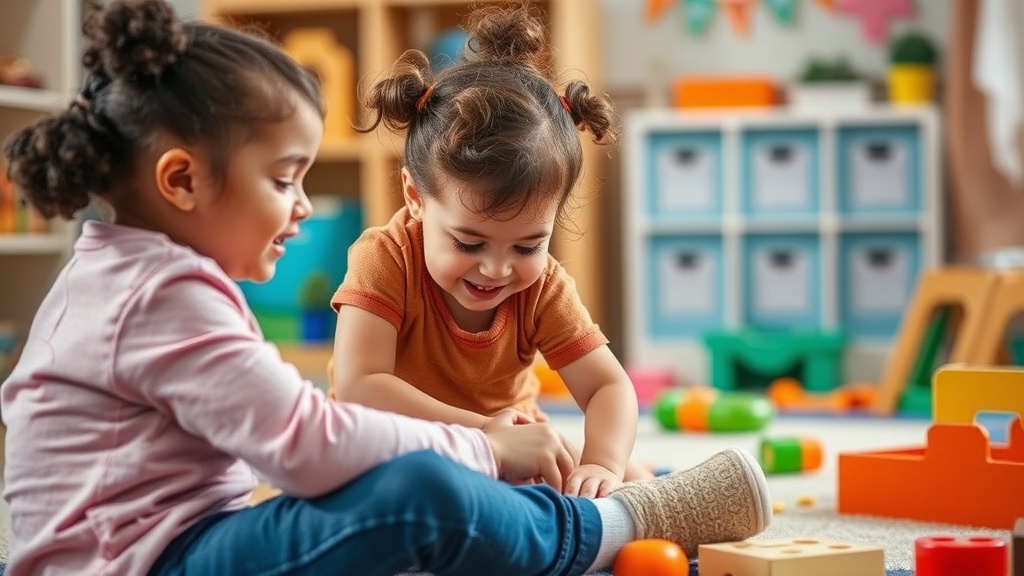
Setting Up a Structured Play Environment for Toddler Independence

Why unstructured play isn't always the answer
Many parents believe that letting a child roam freely through a messy room is the best way to spark creativity. They think that a lack of structure leads to more imagination. In reality, a child—especially a toddler—often feels overwhelmed when faced with too many choices or a chaotic environment. Without a sense of order, play becomes a source of frustration rather than a tool for learning. This post looks at how to organize your physical space to support a child's ability to choose, engage, and eventually master new skills independently.
A well-organized space acts as a silent teacher. When a child knows exactly where the blocks live or where the art supplies reside, they don't have to ask for help every five minutes. This builds a sense of agency. Instead of being a passive recipient of adult-led activities, the child becomes an active participant in their own development. We're talking about creating a framework that allows for autonomy without the constant need for parental intervention.
How can I organize toys to encourage independent play?
The key is categorization and accessibility. If your toy bins are giant, overflowing piles, your child will likely dump the entire bin on the floor just to find one specific piece. This leads to more cleanup for you and more frustration for them. Instead, try using smaller, transparent containers or open baskets. When a child can see what's inside, they make better decisions about what they want to do next.
Consider these grouping methods:
- Thematic Stations: Dedicate a low shelf to building (blocks, cars, magnets) and another to imaginative play (dolls, play kitchen, soft figures).
- The Rotation System: Don't put every single toy out at once. Keep a portion of the toys in a closet and swap them out every two weeks. This keeps the "newness" alive and prevents the feeling of being overwhelmed.
- Low-Level Access: If a child can't reach it, it isn't their toy. Keep everything within their physical reach to prevent constant requests for "up" or "help me get this."
By limiting the number of items available, you actually increase the quality of their focus. A child might spend twenty minutes deeply engaged with a single set of wooden animals if the environment isn't cluttered with a nearby bright, flashing plastic toy. You can find more research on how environment affects development through the CDC's developmental milestones resources, which highlights how physical interaction with the world shapes cognitive growth.
Does too much structure limit a child's imagination?
This is a common worry among parents who favor a more free-form approach. However, structure and imagination aren't enemies. Think of it like this: a blank piece of paper is a structure, but it doesn't tell you what to draw. A structured play environment provides the "canvas" and the "tools." When a child knows where the tools are, they can spend their mental energy on the act of creating rather than the act of searching.
If a toddler has a dedicated space for "building" and a dedicated space for "reading," they learn to transition between modes of thought. This mental switching is a high-level cognitive skill. They aren't just playing; they are practicing how to organize their own thoughts and actions. If you're looking for ways to balance structured learning with free play, the Zero to Three website offers wonderful insights into early childhood stages.
What are the best ways to manage toy rotation?
A rotation schedule is one of the best ways to keep your home from feeling like a warehouse. You don't need to do this every day—that would be exhausting. A monthly or bi-weekly swap is plenty. Here is a simple way to manage it:
| Category | Current Rotation | Storage (Closet) |
|---|---|---|
| Building | Wooden blocks, magnetic tiles | Cardboard boxes, Lego sets |
| Art | Chalk, jumbo crayons | Watercolor paints, glitter glue |
| Movement | Soft balls, bean bags | Balance beam, tunnel |
When you rotate, you're essentially resetting the excitement level in the room. It makes the "old" toys feel like gifts again. It also keeps your living room from becoming a permanent obstacle course of discarded items. This method helps maintain a calm, predictable environment which is vital for a child's sense of security.
How do I teach a child to clean up after play?
The cleanup process is just as important as the play itself. It's the final step in the learning cycle. Instead of making it a chore or a punishment, frame it as part of the play sequence. If the "play" isn't finished until the toys are back in their homes, the child learns the full cycle of an activity.
Try these tactics:
- Visual Cues: Use labels with pictures. A photo of a block taped to the block bin tells the child exactly where the block goes, even if they can't read yet.
- The "One Item" Rule: If a full cleanup is too much, ask them to put away just one category. "Can you put the cars back in their garage before we go to lunch?"
- Parallel Play: Don't just stand over them and bark orders. Sit down and clean up a different section. They'll see that tidying is a normal part of life, not a special event.
When children participate in the upkeep of their space, they develop a sense of ownership and responsibility. They stop seeing the room as something that just "happens" to them and start seeing it as a space they help manage. This is a fundamental building block for self-reliance as they grow.