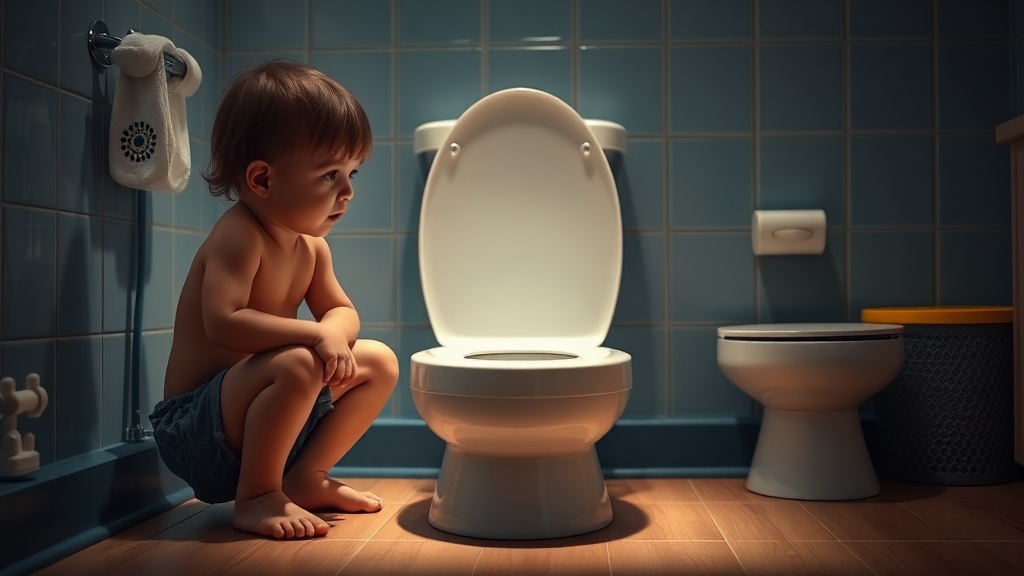
Is Your Toddler Really Ready for Potty Training? Signs Most Parents Miss

Most parents believe potty training should begin at age two. It's practically a cultural reflex—your child hits their second birthday, and suddenly everyone from grandparents to grocery store strangers starts asking about the potty. But here's what the research actually shows: there's no magic age. Starting too early doesn't make the process faster—it often makes it longer, more stressful, and more frustrating for everyone involved.
Readiness isn't about the calendar. It's about physical development, emotional maturity, and—perhaps most importantly—your child's own internal motivation. Push too soon, and you're fighting an uphill battle. Wait for the right signals, and the whole process clicks into place with surprising ease. Let's look at what real readiness actually looks like—and why so many families start before their child is truly prepared.
What Physical Skills Does My Toddler Need Before Starting?
Before your child can successfully use the potty, their body needs to cooperate. This isn't something you can rush with encouragement or sticker charts. The muscles controlling bladder and bowel function need time to mature—and this happens on different schedules for every child.
Watch for these physical signs: your child stays dry for at least two hours at a time, or wakes up dry from naps. This indicates their bladder has developed enough capacity to hold urine. They should also be able to walk and run steadily, pull their pants up and down independently, and sit down and stand up without help. If you're still doing most of the physical work for them, they're probably not ready for the physical demands of potty training.
Another overlooked indicator: your child shows awareness of their bodily functions. They might hide behind furniture when they're about to poop, or tell you their diaper feels uncomfortable when wet. This conscious connection between the sensation and the action is critical—they can't control what they don't yet recognize. According to the American Academy of Pediatrics, most children develop these physical and cognitive connections somewhere between 18 months and 3 years—but the range is wide and completely normal.
How Can I Tell If My Child Is Emotionally Prepared?
Here's where well-meaning parents often trip up. Your toddler might have all the physical abilities in place, but if they're not emotionally ready, potty training becomes a power struggle that nobody wins. And power struggles with two-year-olds are exhausting affairs that can damage your relationship and your child's confidence.
Emotional readiness shows up in subtle ways. Does your child show interest when you or siblings use the bathroom? Do they want to flush the toilet or watch the process? This curiosity is a green light—they're observing and processing what happens. Resistance is equally telling. If your child flat-out refuses to sit on the potty, cries when you suggest it, or shows anxiety about the bathroom, that's their way of communicating they need more time.
Consider what's happening in your child's life right now. Major transitions—like a new sibling, moving homes, starting daycare, or even weaning from a pacifier—are not the time to introduce potty training. Young children can only handle so much change at once. Adding potty expectations to an already turbulent period creates overwhelm and setbacks. The Mayo Clinic emphasizes that timing matters enormously, and waiting for a stable period in your child's life will make the process significantly smoother.
Why does my toddler resist sitting on the potty even when they seem ready?
Resistance usually signals anxiety—and anxiety around potty training is more common than parents realize. The toilet is big, loud, and a bit scary when you're small. The bathroom itself might feel cold and unfamiliar. And there's pressure: suddenly a grown-up you love is paying intense attention to your private body functions, which feels weird and vulnerable.
Try making the potty smaller and friendlier. A child-sized potty chair on the living room floor (yes, really) removes the intimidation factor. Let your child sit on it fully clothed while watching a show or reading a book—no pressure to perform, just getting comfortable. Never force them to sit. Forcing creates negative associations that can take months to undo. If they resist, back off completely for a few weeks and try again later.
What's the Best Way to Start Without Creating Pressure?
The secret to successful potty training? Make it feel like your child's idea, not yours. Children this age are developing autonomy—they want to feel in control of their bodies and choices. When potty training becomes something you're pushing while they're resisting, everyone loses.
Start with simple exposure. Keep a potty chair in the bathroom where your child can see it, explore it, sit on it when they want. Let them watch you dump poop from their diaper into the toilet and flush it—this helps them understand where waste goes. Read picture books about potty training during regular story time. You're normalizing the concept without demanding performance.
When you do start formal attempts, use timing to your advantage. Most children need to pee shortly after waking and about 15-30 minutes after drinking. Suggest the potty during these windows, but accept refusal gracefully. If they sit and nothing happens, that's fine. If they produce something—celebrate casually. High-fives work better than elaborate reward systems, which can create performance anxiety or lead to children holding their urine just to earn another treat.
Dress your child in loose, easy-to-remove clothing during this phase. Complicated buttons, snaps, and layers create frustrating barriers when the urge strikes suddenly. Many parents find that going diaper-free at home for short periods helps their child recognize their body's signals faster—though this requires your full attention and a willingness to clean up accidents without fuss.
How Long Should Potty Training Actually Take?
Here's another misconception worth challenging: potty training is not a weekend project. Those "potty train in three days" methods work for some families, but they don't work for many others—and that's not a failure on anyone's part. Most children need several months to fully master daytime dryness, and nighttime dryness often comes much later.
Daytime control and nighttime control involve different physiological systems. Your child can be fully potty trained during waking hours and still need diapers or pull-ups at night for a year or more. This is completely normal. Nighttime dryness requires a hormone called ADH to kick in, which reduces urine production during sleep. Some children produce this hormone early; others don't until age five or six. It's not something you can train or will into existence.
Accidents will happen—and not just during the first few weeks. Regression is common during stress, illness, or major life changes. A child who's been dry for months might suddenly start having accidents when a new baby arrives or they start preschool. This isn't defiance or laziness; it's their nervous system saying, "I'm overwhelmed and need comfort." Handle accidents matter-of-factly: "Oops, pee goes in the potty. Let's get you cleaned up." No lectures, no shaming, no disappointment.
When should I worry about delays?
If your child shows no signs of readiness by age three, or if potty training attempts consistently fail over several months, check in with your pediatrician. There are medical conditions—like chronic constipation, urinary tract infections, or developmental differences—that can affect potty training. These deserve professional attention, not just more patience.
But for most families, the problem isn't the child's readiness—it's the timeline parents have in their heads. The Zero to Three organization notes that toilet learning (they prefer this term to "training") is a developmental milestone that can't be rushed any more than walking or talking. Some kids walk at nine months; others at eighteen. Both are fine. Potty readiness works the same way.
So take a breath. Your child will not go to college in diapers. They will figure this out when their body and mind are ready—and your job is to create a low-pressure environment where that readiness can flourish. Trust the process. Trust your child. And maybe stop answering when relatives ask why they're not potty trained yet.